
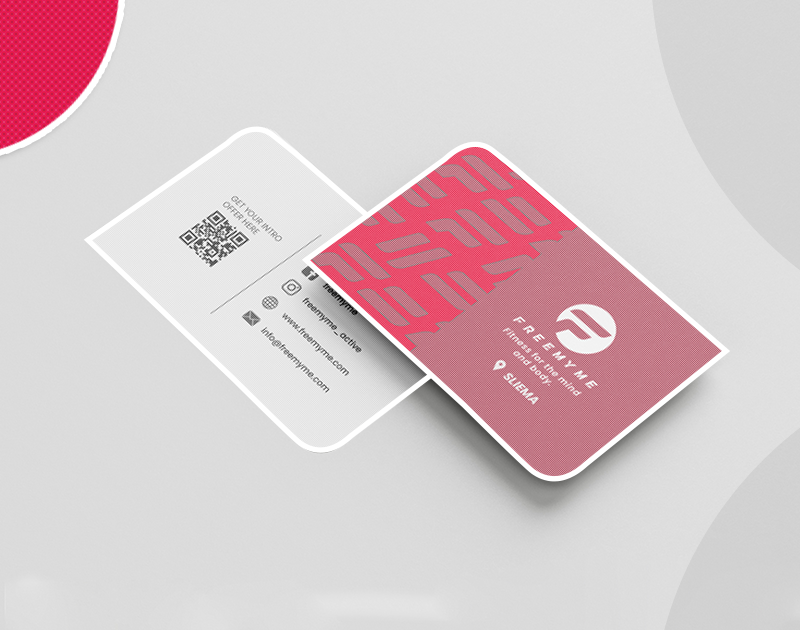
In a world dominated by digital marketing, social media platforms, and online networking, many businesses question whether traditional printed materials still hold value. Among the most debated tools is the business card. Some view business cards as outdated in an increasingly digital environment, while others continue to see them as an essential part of professional branding and networking.
Despite the rapid growth of digital communication, business cards remain highly relevant across multiple industries. They continue to provide businesses and professionals with a tangible, personal, and memorable way to connect with potential clients, partners, and customers. While digital platforms offer convenience, business cards deliver something many digital interactions cannot – a direct physical representation of a brand.
For businesses aiming to establish credibility, strengthen brand identity, and create professional connections, business cards still play a strategic role within modern marketing.
What is a Business Card?
A business card is a small printed card that contains professional and company information. Traditionally, business cards include details such as:
- Name and job title
- Company name
- Phone number
- Email address
- Website
- Social media handles
- Business logo and branding
Modern business cards often go beyond simple contact details. Many now include QR codes, creative finishes, unique textures, and visually striking designs that reflect the personality and professionalism of the brand.
Although simple in format, business cards act as compact marketing tools capable of leaving long-lasting impressions.
Why Business Cards Continue to Matter
One of the biggest reasons business cards remain relevant is the value of face-to-face interaction. In professional environments, networking events, meetings, conferences, and exhibitions still rely heavily on personal introductions. A business card provides an immediate and professional way to exchange contact information without relying on mobile phones or digital searches.
Unlike online interactions that can easily be forgotten, a physical card creates a more memorable experience. The act of handing someone a business card often strengthens the connection and reinforces professionalism.
Business cards also help businesses appear more established and credible. When meeting potential clients or partners, presenting a well-designed business card signals preparation, professionalism, and attention to detail.
The Branding Power of Business Cards
A business card is not simply a contact tool – it is an extension of a brand’s identity. Every design choice communicates something about the business, including:
- Colour palette
- Typography
- Logo design
- Print quality
- Layout and spacing
- Material and finish
This branding element is particularly important because business cards often create first impressions. A poorly designed card may negatively affect how a business is perceived, while a professional design can immediately increase trust and credibility.
For this reason, many businesses invest in professionally designed business cards that align with their overall branding strategy.
Advantages of Business Cards
Professionalism
Business cards immediately create a professional impression during meetings and networking opportunities. They demonstrate that the individual or business is prepared and serious about building connections.
Memorability
Physical items are often easier to remember than digital exchanges. A unique or visually appealing business card can help businesses stand out from competitors.
Convenience
Business cards provide instant access to contact details without requiring internet access, phone batteries, or searching through social media platforms.
Brand Visibility
A business card acts as a mini advertisement for the business. Even after a meeting ends, the card continues representing the brand.
Personal Connection
Handing over a business card creates a more personal interaction compared to simply exchanging usernames or phone numbers digitally.
Versatility
Business cards can be distributed at events, included in packaging, displayed in physical locations, or shared during casual networking opportunities.
Limitations of Business Cards
Risk of Being Discarded
Not every card handed out will be kept. Poor design, unclear branding, or irrelevant interactions can result in cards being quickly discarded.
Limited Information Space
Business cards must communicate essential information within a very small format. Overcrowding a card with too much text can reduce readability and effectiveness.
Printing Costs
High-quality cards require professional printing and design, which may become costly for businesses requiring frequent updates or large quantities.
Environmental Concerns
Traditional paper business cards contribute to paper waste. As sustainability becomes increasingly important, some businesses are moving towards eco-friendly materials or digital alternatives.
Digital Competition
Digital networking tools such as LinkedIn, QR codes, and contact-sharing applications provide faster ways to exchange information. Businesses must therefore ensure their cards offer value beyond simple contact details.
Modern Business Cards in the Digital Age
Rather than disappearing, business cards have evolved alongside digital marketing. Many businesses now integrate physical and digital elements together.
For example, QR codes on business cards can direct users to:
- Company websites
- Online portfolios
- Social media pages
- Booking systems
- Digital contact cards
This integration creates a seamless bridge between offline networking and online engagement.
Digital business cards have also emerged as alternatives to printed versions. These cards are shared electronically through smartphones or applications. While digital cards offer convenience and sustainability, they still lack some of the personal and memorable qualities associated with physical cards.
As a result, many professionals use both physical and digital business cards depending on the situation.
Industries Where Business Cards Remain Highly Effective
Real Estate
Real estate agents frequently use business cards during property viewings, networking events, and client meetings. Physical cards provide quick access to contact information during face-to-face interactions.
Hospitality and Tourism
Hotels, restaurants, and tourism businesses often distribute business cards to visitors and travellers. Cards may also include promotional offers or booking details.
Corporate Services
Law firms, financial advisors, consultants, and agencies continue relying heavily on business cards to establish trust and professionalism.
Creative Industries
Designers, photographers, marketers, and artists often use creatively designed business cards to showcase their visual identity and creativity.
Retail Businesses
Retail stores may include business cards within shopping bags or packaging to encourage repeat business and online engagement.
Strategic Importance for Business Owners
For business owners, business cards should not be viewed as outdated marketing tools. Instead, they should be considered part of a broader branding and networking strategy.
A professionally designed business card reinforces brand identity and supports relationship-building opportunities. In many cases, business cards serve as conversation starters that open doors to future collaborations, partnerships, or sales opportunities.
However, effectiveness depends heavily on design quality and strategic usage. Simply printing large quantities of generic cards is unlikely to create impact. Businesses should instead focus on:
- Clear branding
- High-quality materials
- Consistent visual identity
- Strategic distribution
- Strong calls to action
Business cards should also align with other marketing channels. Consistency across websites, social media, printed materials, and physical branding strengthens overall brand recognition.
How Design Influences Perception
Design plays a critical role in how business cards are perceived. Every visual element contributes to the overall impression of the brand.
Minimalistic designs often communicate professionalism and sophistication, while bold and colourful designs may reflect creativity and innovation.
Key design considerations include:
Readability
Text should remain clear and easy to read. Overly decorative fonts or crowded layouts reduce effectiveness.
Visual Hierarchy
Important information such as the business name and contact details should stand out immediately.
Material Quality
Premium paper stocks, textures, and finishes can increase perceived brand value.
Consistency
The business card should match the company’s broader branding strategy, including logos, colours, and typography.
Businesses that invest in professional design are more likely to leave strong and lasting impressions.
Conclusion
Business cards remain highly relevant despite the rise of digital communication and online networking. They continue providing businesses with a professional, memorable, and tangible way to build relationships and strengthen brand identity.
Although digital tools offer convenience, business cards deliver unique advantages that digital interactions often lack – including personal connection, physical presence, and lasting impressions.
For business owners, professionals, and growing brands, business cards should not be viewed as outdated materials. When designed strategically and integrated into a wider marketing approach, they remain valuable tools for networking, branding, and business growth in today’s competitive market.